
 English
 Español
 Français
 العربية


paper sample cutter
A paper sample cutter is a specialized device designed to cut paper materials into precise, consistent samples for testing, analysis, and quality control. It is widely used in paper manufacturing, printing, packaging, laboratories, and educational settings where accurate sample preparation is essential. By producing uniform test pieces, the cutter helps ensure reliable results in measurements such as thickness, tensile strength, tear resistance, folding endurance, and other physical properties of paper and paperboard.The structure of a paper sample cutter is typically simple yet highly effective. It usually consists of a stable base, a sharp cutting blade, a positioning guide, and a clamping or pressing mechanism. The base provides support and stability during operation, while the blade is engineered to deliver clean and accurate cuts without damaging the material. The guide system helps users align the paper correctly so that each sample meets the required dimensions. Some models are manual, requiring the operator to apply pressure, while others may include hydraulic, pneumatic, or electric assistance to improve efficiency and reduce physical effort.One of the most important advantages of a paper sample cutter is precision. In testing environments, even a small deviation in sample size can affect the accuracy of results. A well-designed cutter minimizes human error and produces samples with identical dimensions every time. This consistency is especially valuable in standard testing procedures, where sample uniformity is necessary to compare different paper grades or production batches fairly.Another key benefit is ease of use. Most paper sample cutters are designed for straightforward operation, allowing users to place the paper, align it with the markings or guides, and perform the cut quickly. This makes the device suitable for both experienced technicians and new operators. In addition, many cutters are built with safety features such as blade covers, locking mechanisms, and anti-slip bases to protect users during operation.Durability is also an important feature. Because paper testing and sampling may be performed frequently in industrial and laboratory environments, the cutter must withstand repeated use without losing cutting accuracy. High-quality materials such as hardened steel blades and robust metal frames are commonly used to extend service life and maintain performance over time. Some cutters are also designed for easy blade replacement and maintenance, which helps reduce downtime.Paper sample cutters are available in different sizes and configurations to meet various needs. Some are intended for small laboratory samples, while others can handle larger sheets or thicker paperboard materials. Their versatility makes them useful across a wide range of applications, including research, production inspection, and product development.Overall, a paper sample cutter is an essential tool for anyone involved in paper testing or sample preparation. It combines precision, reliability, and convenience in one compact machine. By ensuring accurate and repeatable cuts, it supports efficient workflow and helps maintain high standards in paper-related industries.
продукт
классификация:
Sample Cutters & Accessories
-
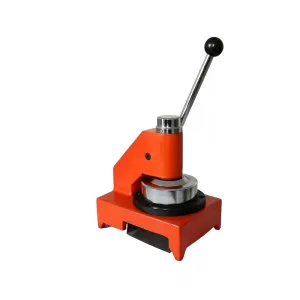
Количественный пробоотборник
Их классификация: Paper Testing Instrumentsмнения: 357номер:Время выпуска: 2026-06-04 16:28:01Quantitative Sampler — это прецизионный нож для резки круглых образцов, разработанный и изготовленный в соответствии со стандартом QB/T 1671. Он режет образцы площадью 100 см² и точностью резки ±0,35%, что подходит для стандартной подготовки образцов для испытаний бумаги и картона по грамму. Он имеет цельную чугунную конструкцию и специальное стальное лезвие № 10 волнообразной формы с высокотемпературной закалкой для легкой резки и длительного срока службы. Инновационная конструкция прессующего колпачка выравнивает образцы перед резкой, уменьшая ошибку отбора проб при использовании с электронными весами для определения грамма. -
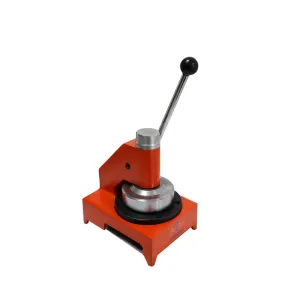
Весовой пробоотборник
Их классификация: Filter Paper & Media Testing Instrumentsмнения: 299номер:Время выпуска: 2026-07-14 08:31:29Пробоотборник Grammage — это прецизионный круглый нож для резки проб, разработанный и изготовленный в соответствии с национальными и отраслевыми стандартами QB/T 1671. Он специально используется для резки стандартных испытательных образцов для измерения граммажа (базисной массы) бумаги и картона. При использовании вместе с электронными весами он быстро и точно режет стандартные круглые образцы площадью 100 см², обеспечивая стандартизированную основу для определения веса бумаги. Толщина резки охватывает один или несколько слоев бумаги от 0,1 до 3,0 мм и однослойный картон менее 0,6 мм, с точностью резки ±0,35 мм. Пробоотборник имеет цельнолитую конструкцию, которая полностью обеспечивает стабильность размеров при длительном использовании. Лезвие изготовлено из специальной стали №10 с высокотемпературной закалкой и волнистой кромкой, что эффективно снижает давление резания и продлевает срок службы инструмента. Инновационный процесс прессования крышек выравнивает образцы, что еще больше сводит к минимуму ошибку отбора проб. При весе 15 кг он имеет прочную конструкцию и прост в эксплуатации, что делает его незаменимым устройством для подготовки проб для анализа грамматуры на бумажных фабриках, упаковочных и полиграфических предприятиях, в инспекционных агентствах и научно-исследовательских институтах.
новости
классификация:
Нет результатов поиска!
случай
классификация:
Нет результатов поиска!
видео
классификация:
Нет результатов поиска!
скачать
классификация:
Нет результатов поиска!
вербовка
классификация:
Нет результатов поиска!
Рекомендуемые продукты
-
NEWS
Количественный пробоотборник
Узнать больше



 телефон